A passport with a paper trail
Give your district a passport worth promoting — and the data to prove it delivered.
Not another overbuilt passport platform. A passport built around a trusted curator — first-party visit data, taste signals, and proof your programming moved people. All for $89/mo.
Live Edits, right now.
Every Edit works in any browser — no app, no download. Open one and see what participants experience.
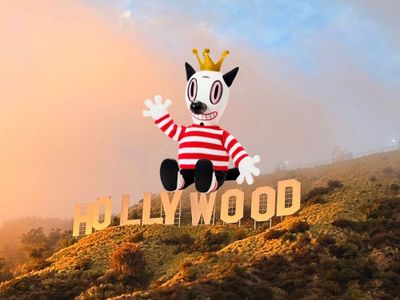
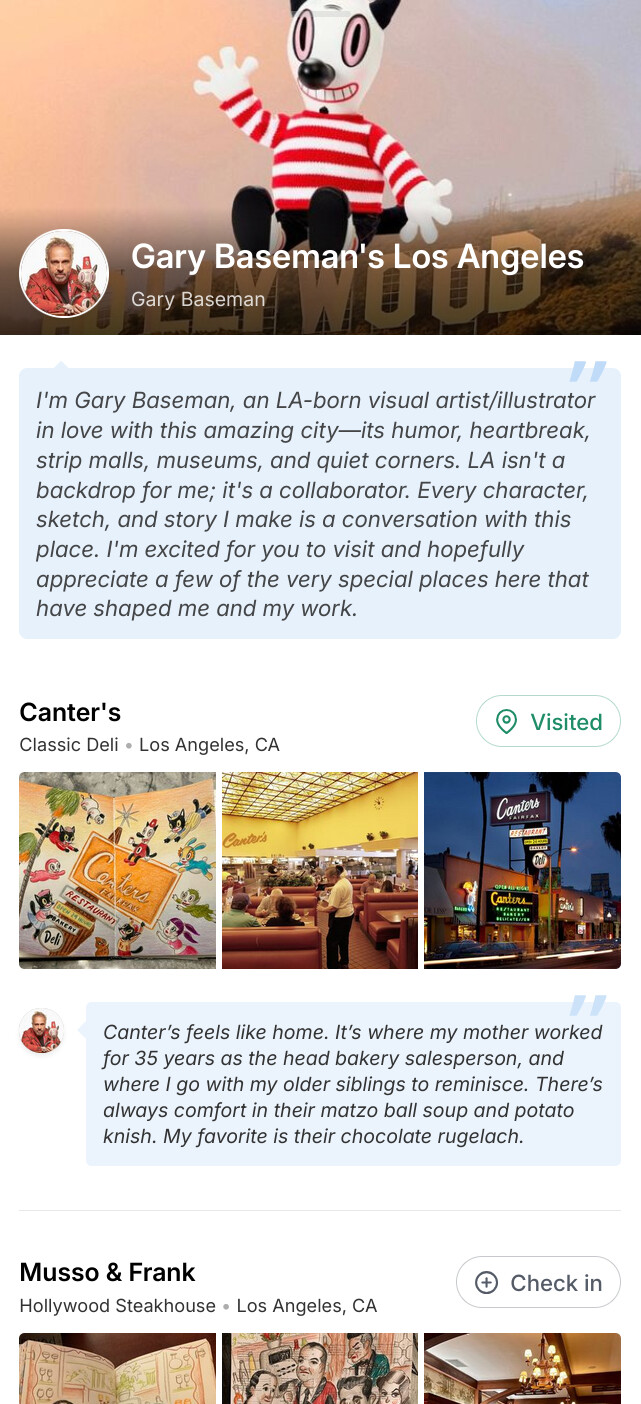
Gary Baseman's Los Angeles
I'm Gary Baseman, an LA-born visual artist/illustrator in love with this amazing city—its humor, heartbreak, strip malls, museums, and quiet corners. LA isn't a backdrop for me; it's a collaborator. Every character, sketch, and story I make is a conversation with this place. I'm excited for you to visit and hopefully appreciate a few of the very special places here that have shaped me and my work.
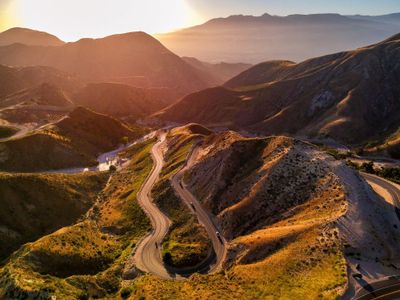
Epic Drives of LA
No city on Earth matches the driving roads within two hours of Los Angeles. Angeles Crest climbs from suburban Pasadena to 7,000 feet through high-speed alpine switchbacks. The Rim of the World Byway traces the San Bernardino ridgeline with the entire Inland Empire spread below. The Palms to Pines Scenic Byway rises from the Coachella Valley desert floor through chaparral into pine forest — five climate zones in a single drive. Route 74 drops from the Santa Rosa Mountains through a sequence of blind corners that rivals any European pass road. The Arroyo Seco Parkway — America's first freeway, opened in 1940 — still carries you from downtown to Pasadena along a route so beautiful that Caltrans designated it a historic parkway rather than widen it. Even the Riverside Freeway's Santa Ana Canyon stretch reminds you that Southern California engineered its freeways through landscapes most countries would have declared national parks.
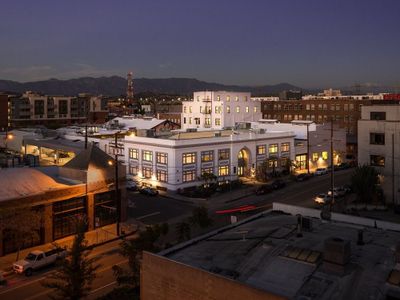
Galleries That Put LA on the Art World Map
These ten galleries represent roughly $4 billion in annual art market activity, and every one of them is free and open to the public. No tickets, no timed entry, no membership. You walk in off the street and stand in front of the same works that collectors are paying seven figures for. Together they cover photography, sculpture, painting, installation, and conceptual art across every major movement from Abstract Expressionism to whatever's happening right now. Five years ago half of them didn't have LA locations. Their arrival is the clearest possible signal that Los Angeles has become the most important art city in America outside New York — and some would drop the qualifier.
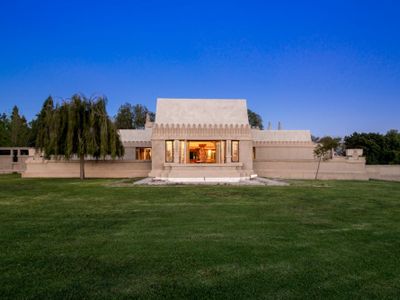
LA's Important Residential Architecture (1 of 2)
This collection tells the story of how Los Angeles invented modern residential architecture. It begins in 1908 with Greene & Greene perfecting the handmade house, then Wright blowing it apart with industrial concrete, Neutra importing European rationalism and building an entire colony around it, and Schindler threading something wilder and more Californian through it all. This is the intellectual spine of LA modernism — the route where ideas were tested on tiny lots and steep hillsides before they changed the world. You could do this route comfortably in a half-day, or a full day if you tour Gamble House, Hollyhock, and VDL (all open as museums).
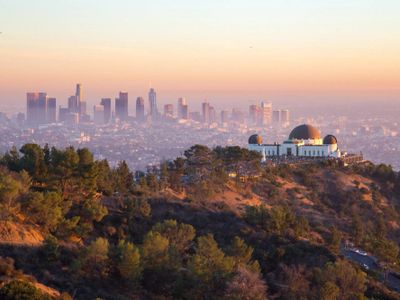
Important Public Parks of LA
Los Angeles is the only major American city where you can stand on a mountain, look at the ocean, and see a skyline — all from a public park you didn't pay to enter. These ten parks span 160,000 acres from sea-level bluffs to 1,600-foot ridgelines, and together they represent the single strongest argument against the idea that LA is just concrete and cars. Every one of them is free. Several are genuinely world-class. Most Angelenos haven't visited half of them, which is both the problem and the opportunity.
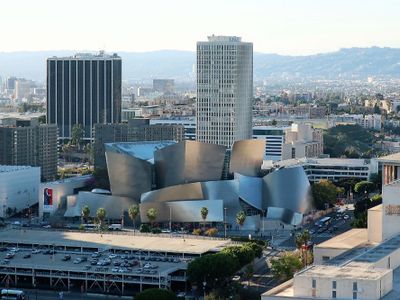
Important Commercial and Public Architecture of LA
What makes this collection of 20 places exceptional is that it represents every major movement in American architecture from the 1890s to the present — Arts and Crafts, Art Deco, Streamline Moderne, International Style, Googie, Brutalism, Postmodernism, Deconstructivism, and contemporary parametric design — all within a single metropolitan area. No other American city offers that continuity. These buildings are not just landmarks. They are primary sources. Seeing them in person is not tourism, it's fieldwork for anyone who appreciates design on a grand scale.
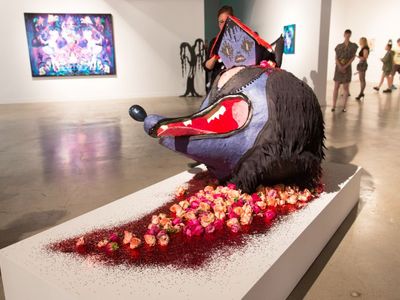
LA Galleries Where Fine Art and Pop Culture Collide
Los Angeles was built by entertainment, not finance — and that single fact changed everything about how art developed here. The people with cultural authority were always connected to film, music, and television, all industries that never drew a clean line between high and low. The galleries on this list inherited that assumption: that art doesn't need to separate itself from popular culture to be taken seriously.

Vintage LA
Los Angeles is a city of the future, but if you dig deeper you'll discover history around every corner. From vintage clothing to classic bars and retro diners, take a trip back in time with our guide. https://www.discoverlosangeles.com/visit/3-days-of-vintage-la

Most Historically Significant Hotels and Motels in LA (pre-1945)
These surviving pre-1945 hotels cluster around three architectural moments — Mission/Spanish Colonial Revival (1910s–20s), Art Deco (late 1920s–30s), and the bungalow colony format unique to Southern California. The ones that survived found a strong identity and held it.

The Ultimate Guide to LA's Rooftop Bars
With its year-round sunny weather, Los Angeles is second to none when it comes to rooftop bars. From poolside lounges and hidden gems to restaurants by some of the city's most famous chefs, read on for the best bars in LA to enjoy an elevated drink experience. https://www.discoverlosangeles.com/eat-drink/best-los-angeles-rooftop-bars

Walk in Oscar's Footsteps - Top 10 Outdoor Film Locations in LA
By Harry Medved and Bruce Akiyama, co-authors of Hollywood Escapes: The Moviegoer's Guide to Southern California's Great Outdoors Outdoor enthusiasts and moviemakers have long sought the same kind of destinations: awe-inspiring, far-flung and picturesque locales that make you say, “take me there” and grab the attention of Academy voters. Luckily for Los Angeles locals and visitors alike, many of those memorable cinematic places are right underneath our noses, in our own backyard. https://www.discoverlosangeles.com/things-to-do/go-on-location-walk-in-oscars-footsteps-top-10-outdoor-film-locations
Recommendations die without a deadline.
Everyone has places they've been meaning to visit. They save the list. They forget it. A contest changes that: a defined window creates urgency, a prize creates motivation, social proof creates momentum. Without a contest, you have content. With one, you have an event.
Participating is really fun — and a fantastic way for you as a leader to highlight and promote your neighborhood, district, or brand. Run as many as you want, with different themes and audiences, different prizes and curators. Each one is a fresh reason to engage.
Stop hoping they visit. Start proving they went.
Traditional Campaign
Overlook Edit
What makes an Edit work
8–15 Places
The sweet spot for completability. A mix of place types — parks, food, culture, shops — keeps it interesting and walkable.
10–17 Day Window
Friday start, Sunday end. Two to three weekends. Creates urgency while giving people enough Saturdays to complete the set.
A Credible Curator
A recognized expert with a real perspective on the places. The authenticity is what makes people want to participate — and share.
Email + Social Push
Email converts at 2–3× the rate of social. Social unlocks algorithmic reach and earned media. You want both.
A Worthy Prize
Unique experiences outperform cash. Gallery access, a piece of art, the impossible dinner reservation. Meaningful, not discounts.
No App Required
Works in any browser. Shared as a link or QR code. Zero friction to start, zero downloads required.
A contest now. A resource forever.
Every Edit has two lives — and the second one is free.
The Contest
10–17 day window. Prizes. Urgency. Social sharing. Verified check-ins. Press coverage. This is the event.
The Evergreen Guide
Contest ends. The Edit lives on. People still use it, share it, and discover the neighborhood through it — permanently.
Run Another
Different theme. Different curator. Different audience. Different prizes. Stack Edits over time to build a library for your district.
Anyone with an audience and a neighborhood to promote.
BIDs & DMOs
Give your audience a reason to explore priority corridors, emerging neighborhoods, or undervisited assets — not because you told them to, but because someone they admire curated the experience. Run seasonal Edits tied to restaurant weeks, gallery walks, or district campaigns. Use verified visit data in grant applications and board reports.
Entertainment Marketing
Launch an Edit tied to a premiere, release, or tour stop. A TV show curates locations from its world. An artist curates places that inspired an album. Fans don't just watch — they go. The Edit turns passive viewership into physical engagement with your IP, with verified data to measure real-world activation.
Consumer Brands
Restaurant groups, fitness brands, and lifestyle companies with concentrated customer lists can run Edits to give their audience a shared real-world experience — and identify which users are the most engaged advocates on the ground.
Neighborhood Leaders
Councilmembers, community organizations, neighborhood associations — anyone who wants to highlight local businesses and cultural assets. Participating is fun, and it is a powerful way to drive foot traffic to the places that define a neighborhood.
Curator + Distributor. Same person or two partners.
An Edit needs a curator (the trusted voice who picks the places) and a distributor (the organization with reach). These can be the same person or separate partners.
| Scenario | Curator | Distributor |
|---|---|---|
| Tastemaker with large audience | Same person | Same person |
| Tastemaker + org partnership | Provides taste + social buzz | Brand, BID, or DMO provides email reach + prize |
| DMO/BID activating a district | DMO selects a credible local voice | DMO distributes to own list |
| Entertainment campaign | Talent or cultural partner curates | Studio/label promotes to fan base |
The curator retains full editorial control over locations regardless of who distributes. Sponsors do not place locations on the Edit. The authenticity of the curation is what makes people want to participate — and tell their friends.
Every data point is consented, not tracked.
Participants opt in and voluntarily check in at each location. After the Edit, every partner receives an engagement report. No other channel delivers this.
Total Participants
Who enrolled and when
Check-ins per Location
Which places drive the most visits
Visit Sequences
How people moved through the Edit
Completion Rates
How many finished the full set
Want to give your audience something they'll actually do?
Let's talk about what an Edit looks like for your market, your audience, and your goals.
See what's live now: 7 Edits across art, architecture, driving, and parks