Show your guests the places that matter
Curated local guides, built by your team or ours, that your guests actually use. You see where they go.
Your taste stops at the lobby
You built your hotel around a point of view. Every design decision, every restaurant partnership, every neighborhood you chose to plant your flag in communicates something about what you believe a great stay should feel like.
The moment they step outside, that sensibility vanishes. They're on Google Maps, sorting by star rating, reading the same reviews as everyone at the Hilton down the block. Your taste, the thing they're paying for, stops at your door.
Most boutique properties under 150 keys don't have a dedicated concierge. Your front desk does their best, but their knowledge is personal, inconsistent, and walks out the door at the end of every shift.
a typical boutique hotel
fully loaded
need recommendations
Introducing Overlook Edits
An Edit is a curated collection of 8–12 places: restaurants, galleries, shops, walks, experiences. Assembled by people with a point of view and delivered through a link or QR code. No app. No PMS integration. No tech lift. Just a beautiful, map-driven guide in the browser.
Underneath, something else is happening. Every tap, every place a guest lingers on, every spot they actually walk into flows back to you. For the first time, you can see what your guests care about outside your walls.
Make as many as you want. "Where our chef eats." "A perfect afternoon in the neighborhood." "Date night." "The gallery walk your guests won't find on Google." Each one is a different expression of your property's taste, and each one extends your brand into the neighborhood you chose to be in.
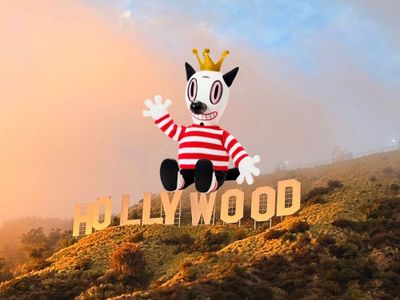
Gary Baseman's Los Angeles
I'm Gary Baseman, an LA-born visual artist/illustrator in love with this amazing city—its humor, heartbreak, strip malls, museums, and quiet corners. LA isn't a backdrop for me; it's a collaborator. Every character, sketch, and story I make is a conversation with this place. I'm excited for you to visit and hopefully appreciate a few of the very special places here that have shaped me and my work.
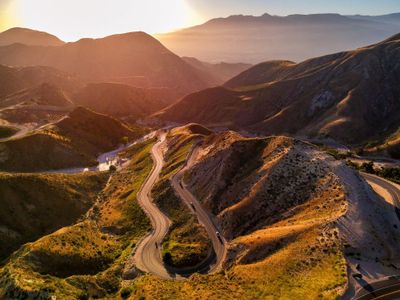
Epic Drives of LA
No city on Earth matches the driving roads within two hours of Los Angeles. Angeles Crest climbs from suburban Pasadena to 7,000 feet through high-speed alpine switchbacks. The Rim of the World Byway traces the San Bernardino ridgeline with the entire Inland Empire spread below. The Palms to Pines Scenic Byway rises from the Coachella Valley desert floor through chaparral into pine forest — five climate zones in a single drive. Route 74 drops from the Santa Rosa Mountains through a sequence of blind corners that rivals any European pass road. The Arroyo Seco Parkway — America's first freeway, opened in 1940 — still carries you from downtown to Pasadena along a route so beautiful that Caltrans designated it a historic parkway rather than widen it. Even the Riverside Freeway's Santa Ana Canyon stretch reminds you that Southern California engineered its freeways through landscapes most countries would have declared national parks.
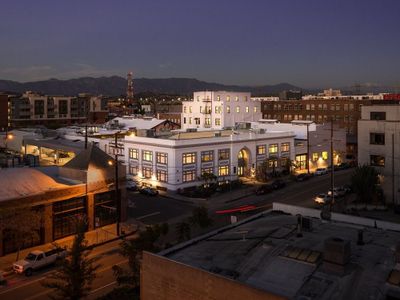
Galleries That Put LA on the Art World Map
These ten galleries represent roughly $4 billion in annual art market activity, and every one of them is free and open to the public. No tickets, no timed entry, no membership. You walk in off the street and stand in front of the same works that collectors are paying seven figures for. Together they cover photography, sculpture, painting, installation, and conceptual art across every major movement from Abstract Expressionism to whatever's happening right now. Five years ago half of them didn't have LA locations. Their arrival is the clearest possible signal that Los Angeles has become the most important art city in America outside New York — and some would drop the qualifier.
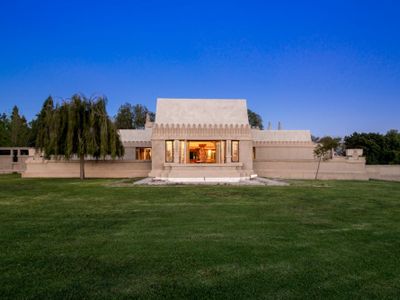
LA's Important Residential Architecture (1 of 2)
This collection tells the story of how Los Angeles invented modern residential architecture. It begins in 1908 with Greene & Greene perfecting the handmade house, then Wright blowing it apart with industrial concrete, Neutra importing European rationalism and building an entire colony around it, and Schindler threading something wilder and more Californian through it all. This is the intellectual spine of LA modernism — the route where ideas were tested on tiny lots and steep hillsides before they changed the world. You could do this route comfortably in a half-day, or a full day if you tour Gamble House, Hollyhock, and VDL (all open as museums).
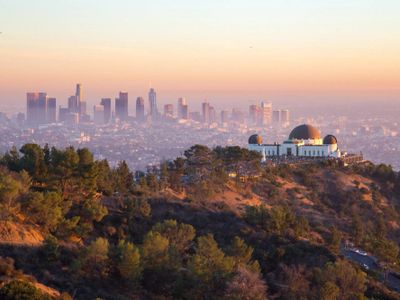
Important Public Parks of LA
Los Angeles is the only major American city where you can stand on a mountain, look at the ocean, and see a skyline — all from a public park you didn't pay to enter. These ten parks span 160,000 acres from sea-level bluffs to 1,600-foot ridgelines, and together they represent the single strongest argument against the idea that LA is just concrete and cars. Every one of them is free. Several are genuinely world-class. Most Angelenos haven't visited half of them, which is both the problem and the opportunity.
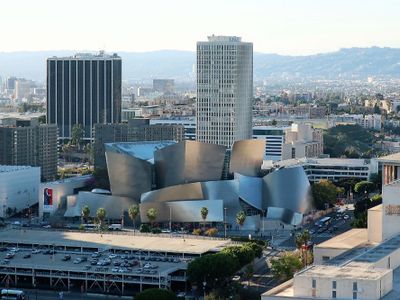
Important Commercial and Public Architecture of LA
What makes this collection of 20 places exceptional is that it represents every major movement in American architecture from the 1890s to the present — Arts and Crafts, Art Deco, Streamline Moderne, International Style, Googie, Brutalism, Postmodernism, Deconstructivism, and contemporary parametric design — all within a single metropolitan area. No other American city offers that continuity. These buildings are not just landmarks. They are primary sources. Seeing them in person is not tourism, it's fieldwork for anyone who appreciates design on a grand scale.
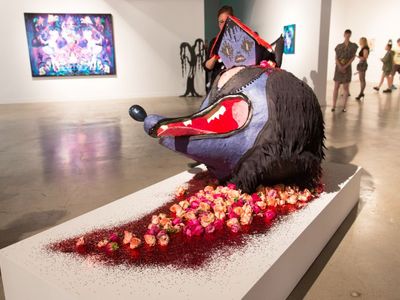
LA Galleries Where Fine Art and Pop Culture Collide
Los Angeles was built by entertainment, not finance — and that single fact changed everything about how art developed here. The people with cultural authority were always connected to film, music, and television, all industries that never drew a clean line between high and low. The galleries on this list inherited that assumption: that art doesn't need to separate itself from popular culture to be taken seriously.

Vintage LA
Los Angeles is a city of the future, but if you dig deeper you'll discover history around every corner. From vintage clothing to classic bars and retro diners, take a trip back in time with our guide. https://www.discoverlosangeles.com/visit/3-days-of-vintage-la

Most Historically Significant Hotels and Motels in LA (pre-1945)
These surviving pre-1945 hotels cluster around three architectural moments — Mission/Spanish Colonial Revival (1910s–20s), Art Deco (late 1920s–30s), and the bungalow colony format unique to Southern California. The ones that survived found a strong identity and held it.

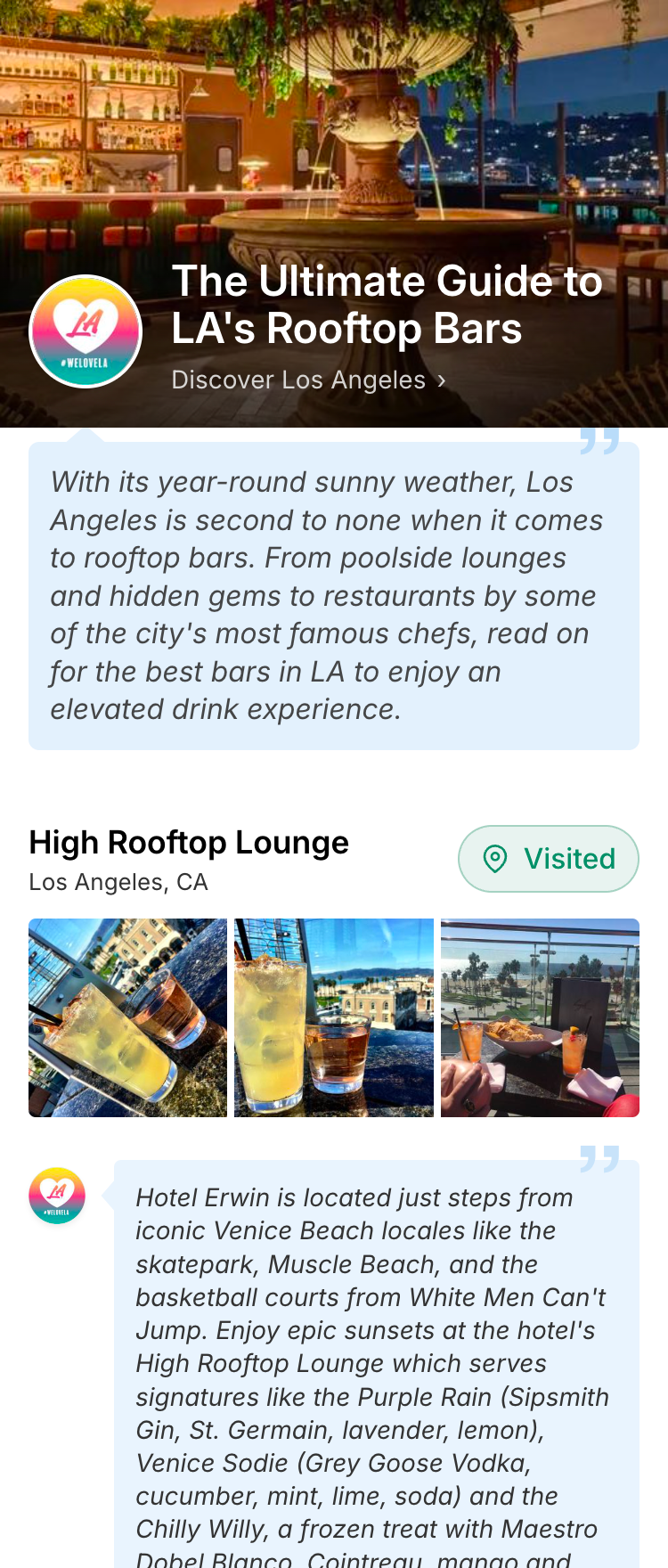
The Ultimate Guide to LA's Rooftop Bars
With its year-round sunny weather, Los Angeles is second to none when it comes to rooftop bars. From poolside lounges and hidden gems to restaurants by some of the city's most famous chefs, read on for the best bars in LA to enjoy an elevated drink experience. https://www.discoverlosangeles.com/eat-drink/best-los-angeles-rooftop-bars

Walk in Oscar's Footsteps - Top 10 Outdoor Film Locations in LA
By Harry Medved and Bruce Akiyama, co-authors of Hollywood Escapes: The Moviegoer's Guide to Southern California's Great Outdoors Outdoor enthusiasts and moviemakers have long sought the same kind of destinations: awe-inspiring, far-flung and picturesque locales that make you say, “take me there” and grab the attention of Academy voters. Luckily for Los Angeles locals and visitors alike, many of those memorable cinematic places are right underneath our noses, in our own backyard. https://www.discoverlosangeles.com/things-to-do/go-on-location-walk-in-oscars-footsteps-top-10-outdoor-film-locations
How it works
You curate (or we build it for you)
Each Edit takes minutes to assemble. Pick the places that define your neighborhood: your favorites, your chef's go-tos, the spots your best guests always ask about. Or let our editorial team handle it.
Your guests find it instantly
Print a QR at check-in. Drop a link in your booking confirmation. Embed it in your guest messaging. No app, no login. Works the second they tap it.
They explore. You learn.
Guests browse a visual, map-driven guide on their phone. Every tap and every GPS-verified visit flows back to your dashboard, quietly building a picture of what your guests actually care about.
Your taste compounds
Refine your Edits as you learn. Swap in new spots, retire what's not landing, create seasonal collections. Your concierge layer gets sharper with every stay.
What you'll see that you've never seen before
Right now, you know almost nothing about what your guests do after they leave. Did they love the restaurant you suggested? Did they even go? You can't see any of it.
Edits change that. Every interaction teaches you something real about who your guests are and what they value. Not what they say in a survey. What they actually do.
Over time, patterns emerge: your weekday guests gravitate toward coffee and bookshops; your weekend guests want tasting menus and gallery openings. Repeat visitors skip the obvious picks and go straight for the deeper cuts. That understanding shapes your welcome packages, your brand partnerships, and how you think about your next property.
It also becomes a loyalty engine. A guest who feels genuinely understood comes back. They tell their friends. They skip the OTA next time and book direct, because your property is the one that gets them.
How this is different from everything else
It's curated, not generated.
Google Maps ranks by popularity and paid placement. ChatGPT pulls from the same generic review data everyone has. Neither reflects a point of view, and neither tells you what your guests actually did with the recommendation. Edits are assembled by people with taste.
It's alive, not printed.
Your Edits update in minutes. New spot opens, seasonal pop-up arrives, old favorite closes. Your concierge layer keeps pace without a trip to the printer or a redesign of the welcome packet.
It's frictionless, not another download.
Browser-based. Instant. No app store, no login wall, no barrier between your guest's curiosity and your recommendation.
It's measurable.
Overlook tracks GPS-verified visits, not just clicks. You'll know which of your recommendations actually drive foot traffic. Data no PDF or in-house guide has ever given you.
It's yours.
Your brand, your selections, your neighborhood's story. Edits aren't a marketplace or an ad platform. They're an extension of the experience you've already built inside your walls.
Who we built this for
- Independent and boutique hotels under 200 keys where the guest experience is the brand, not the flag.
- Properties where the front desk gets asked "where should we eat tonight?" ten times a day, and where the answer matters.
- Founder-led hotel groups scaling across 5 to 25 properties who want a concierge layer that stays local at every location.
- Management companies that need a consistent guest discovery tool across a diverse portfolio, without hiring for each property.
We'll build it for you
Some properties want to curate their own Edits. Others want us to handle everything. We offer hands-on services for properties that want a turnkey experience: Edit drafting, photography, editorial copy for each place, and ongoing data strategy as your guest engagement grows.
Get in touch and we'll scope what makes sense for your property.
Everything you need to know
Start with one Edit.
See what happens.
Less than the cost of two room-nights per year. No integration, no contract, no risk.