This collection tells the story of how Los Angeles invented modern residential architecture. It begins in 1908 with Greene & Greene perfecting the handmade house, then Wright blowing it apart with industrial concrete, Neutra importing European rationalism and building an entire colony around it, and Schindler threading something wilder and more Californian through it all. This is the intellectual spine of LA modernism — the route where ideas were tested on tiny lots and steep hillsides before they changed the world. You could do this route comfortably in a half-day, or a full day if you tour Gamble House, Hollyhock, and VDL (all open as museums).
Gamble House
Craftsman House TourPasadena, CA
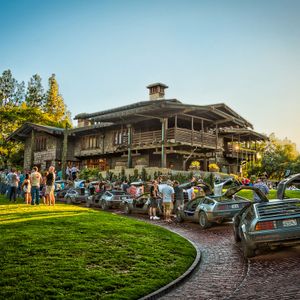
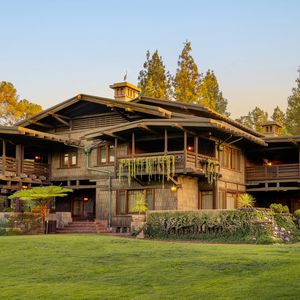
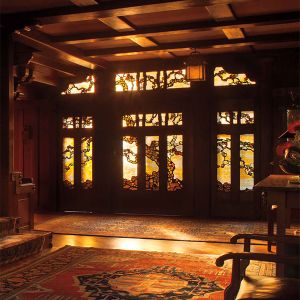

The supreme masterpiece of the American Arts and Crafts movement, built as a winter home for Cincinnati's Gamble family (of Procter & Gamble). Every element — teak joinery, Tiffany glass, custom furniture, hand-shaped clinker brick — was designed by the Greene brothers as a total work of art. Its Japanese-influenced timber construction and obsessive craftsmanship set a standard no American house has surpassed in its genre. A National Historic Landmark and house museum.
Ennis House
Mayan TempleLos Angeles, CA
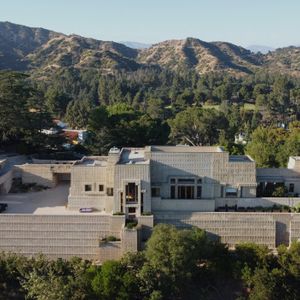
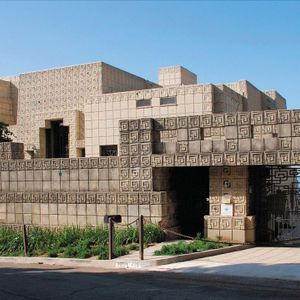
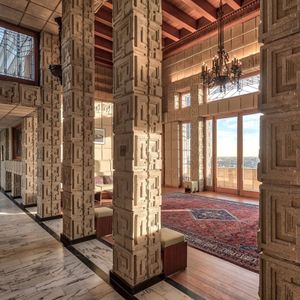
The largest and most monumental of Wright's four LA textile block houses, built from over 27,000 patterned concrete blocks cast on-site. Its Mayan-inspired massing dominates the hillside like a temple. Decades of seismic damage and a $17M restoration have kept it in the public eye. Used as a location in Blade Runner and dozens of other films, it is Wright's most cinematic creation. Private residence; best viewed from Glendower Ave below.
Neutra VDL House
Architectural House TourLos Angeles, CA
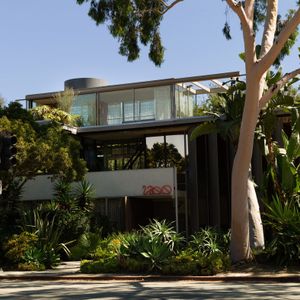
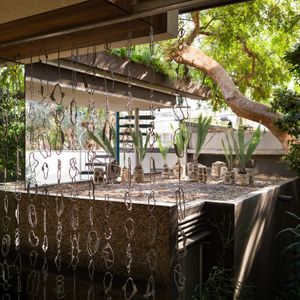
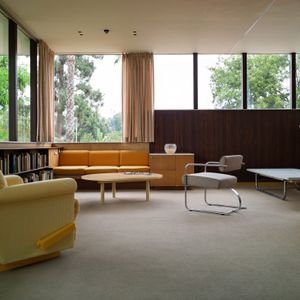
Neutra built the original VDL Research House as his own home in 1932, funded by Dutch industrialist C.H. van der Leeuw (VDL). After a fire destroyed it in 1963, Neutra and son Dion rebuilt it as a laboratory of ideas — reflective pools, penthouse studio, rooftop garden — all on a tiny 70-by-100-foot lot. It is a masterclass in making small spaces feel infinite. Now a Cal Poly Pomona museum; free tours Saturdays 11–3.
How House
AttractionsLos Angeles, California
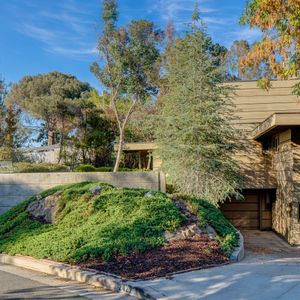
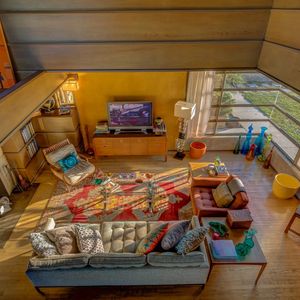
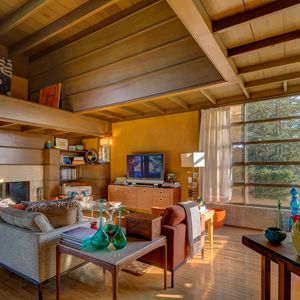
One of Schindler's earliest independent commissions after Kings Road, designed for James How. Its interlocking volumes step down the hillside in a pinwheel plan that anticipates decades of LA hillside modernism. The house demonstrates Schindler's unique spatial thinking — neither Wright's organic geometry nor Neutra's machined precision, but something looser, more intuitive, and deeply Californian. Private residence; visible from Silver Ridge Ave.
Reiner-Burchill Residence (Silvertop)
AttractionsLos Angeles, California
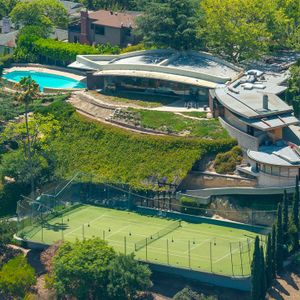
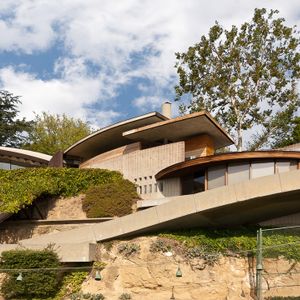
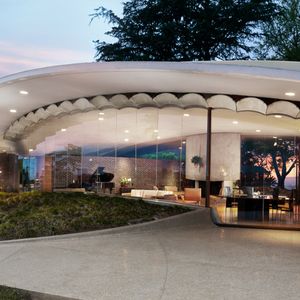
Crowning a Silver Lake hilltop with sweeping concrete curves and a cantilevered carport that arcs over the driveway like a wing, Silvertop is Lautner's most commanding residential gesture. Originally built for Kenneth Reiner, it features a rooftop pool, retractable glass walls, and panoramic views. Lautner considered it one of his most complete works. Visible from numerous points around Silver Lake — drive slowly on Micheltorena.
Freeman House
AttractionsLos Angeles, CA
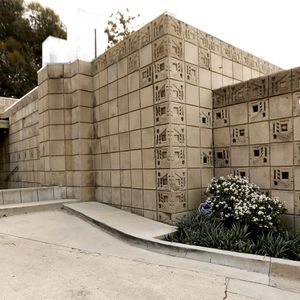
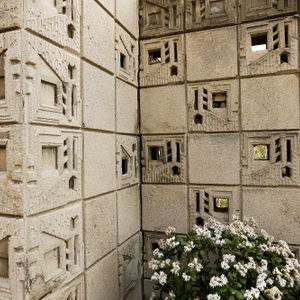
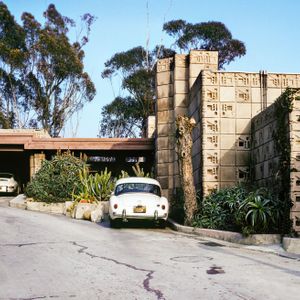
The smallest and most experimental of Wright's textile block houses, designed for dance enthusiasts Samuel and Harriet Freeman. Its perforated block pattern creates a lace-like screen wall that dissolves the boundary between inside and out. The house became a salon for LA's artistic community — Schindler, Neutra, Edward Weston all passed through. Now owned by USC, it remains structurally fragile and mostly closed, but the facade is stunning from Glencoe Way.
Millard House
Architectural ResidencePasadena, CA
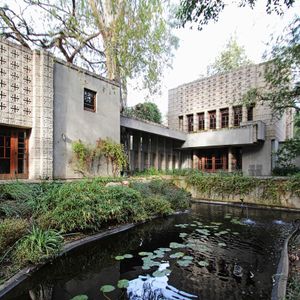
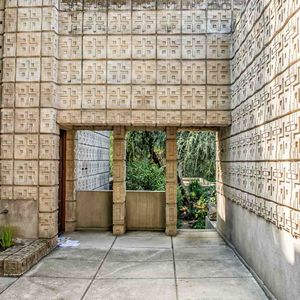
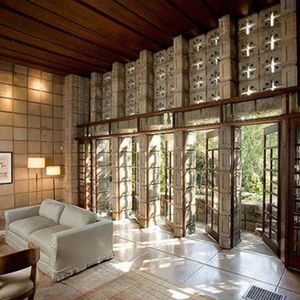
Wright's first textile block house, built for rare book dealer Alice Millard. He called it his favorite of the four. The name "La Miniatura" reflects its jewel-box quality — a small concrete house set in a eucalyptus ravine that achieves monumental presence through the texture and pattern of its blocks. It proved that concrete could be both structural and ornamental, launching the entire textile block experiment. Private residence; visible from the street gate.
Hollyhock House
Historic Architectural HouseLos Angeles, CA
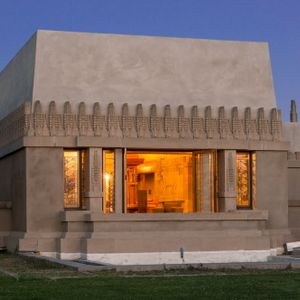
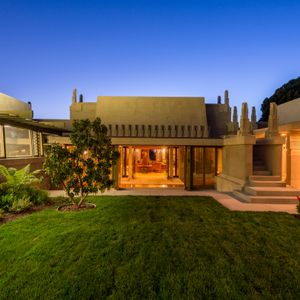
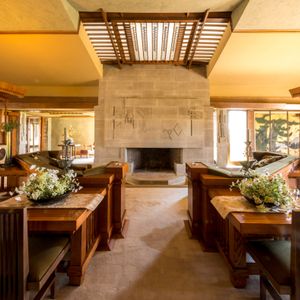
Wright's first LA commission, built for oil heiress and arts patron Aline Barnsdall. The abstracted hollyhock motif — Barnsdall's favorite flower — is integrated into every surface: columns, furniture, art glass, even the roofline. It fuses Mayan Revival massing with Wright's Prairie School principles, creating what he called "California Romanza." Designated a UNESCO World Heritage Site in 2019. Now a museum with tours Thu–Sat.
Lovell House
Historic Architectural HouseLos Angeles, CA
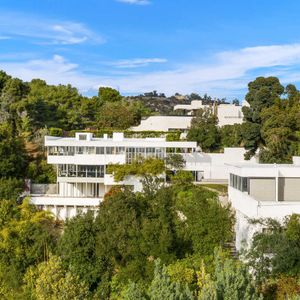
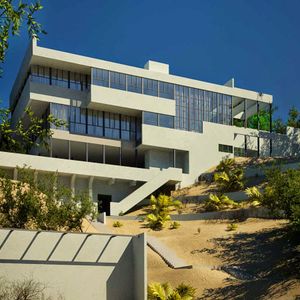
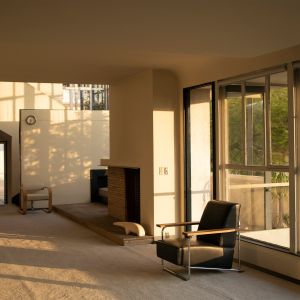
The first steel-frame residential structure in the United States, commissioned by naturopath Philip Lovell. Neutra erected the skeleton in just 40 hours using a prefabricated system inspired by industrial construction. Cantilevered dramatically down a steep hillside, its white volumes and ribbon windows announced the International Style's arrival in America. It put both Neutra and Los Angeles on the global architectural map overnight. Best seen from Dundee Dr below.
Neutra Reunion House
AttractionsLos Angeles, CA
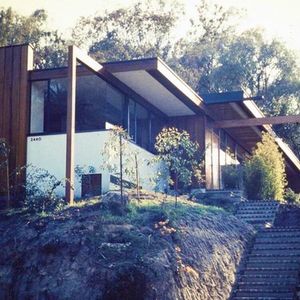
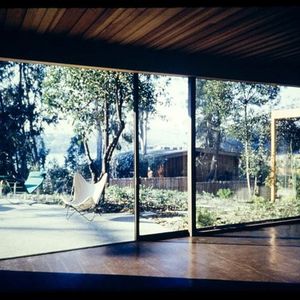
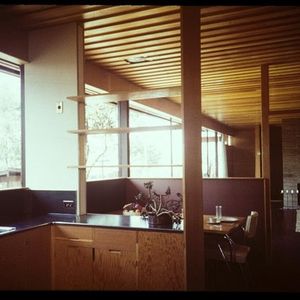
A cluster of Neutra-designed homes built over two decades along the Silver Lake Reservoir, including the Reunion, Kambara, Ohara, Treweek, and Sokol houses. Together they form an informal colony demonstrating the evolution of Neutra's residential thinking — from wartime pragmatism through postwar optimism. No other neighborhood in America has this concentration of work by a single modern master, all viewable from a single walk along the reservoir.