









The Gamble House


(606)
$Closed now
Opens 10:00 AMEast ArroyoFeatured by
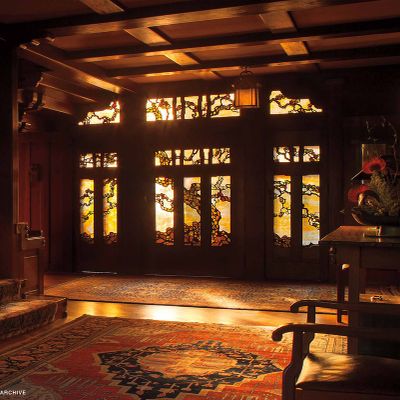
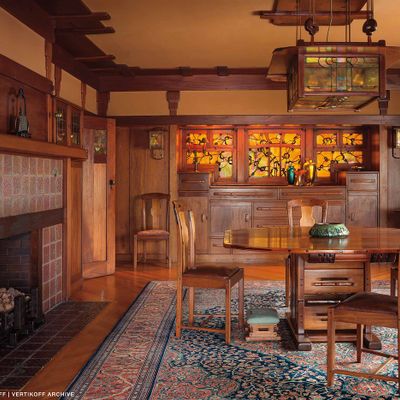
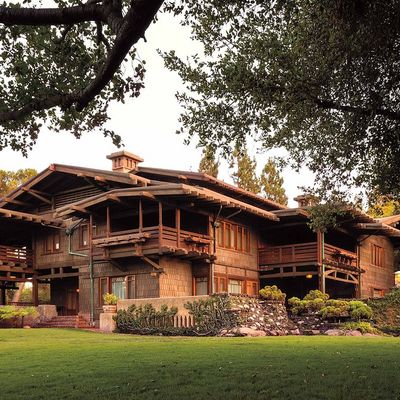
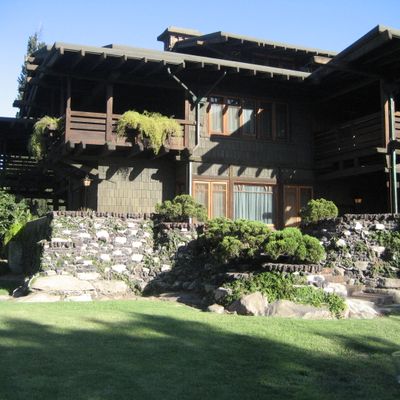
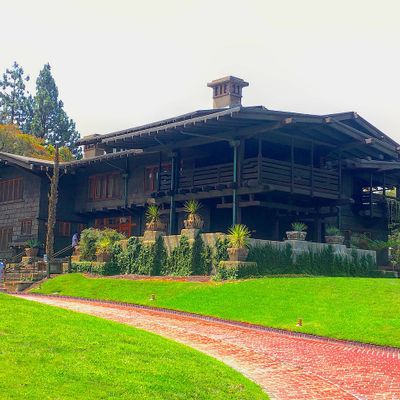
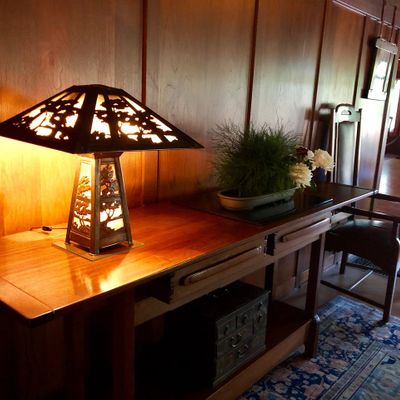
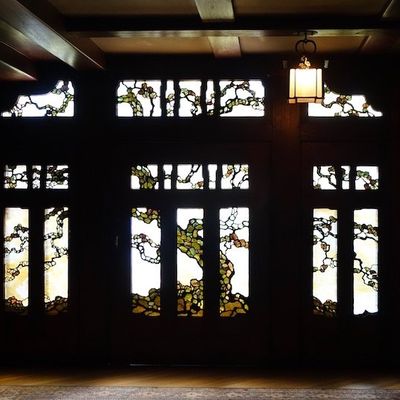
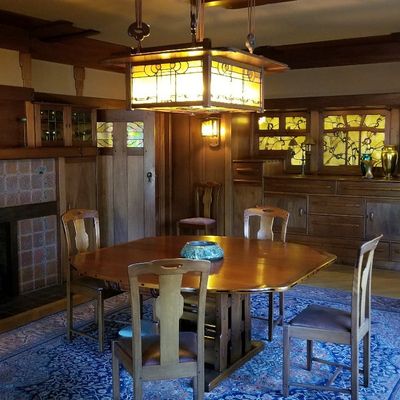
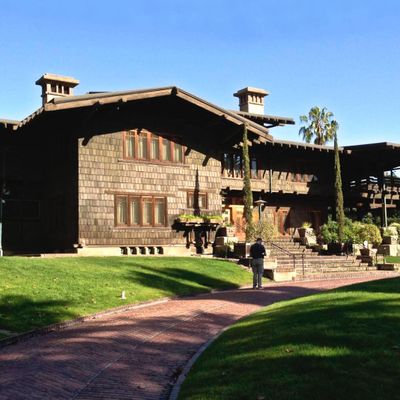
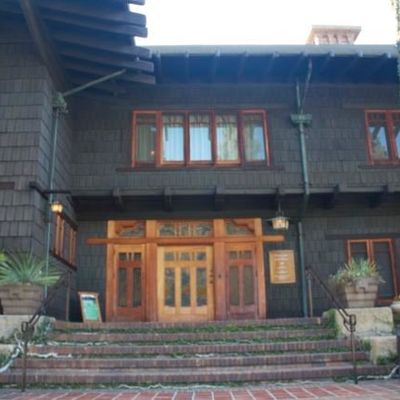
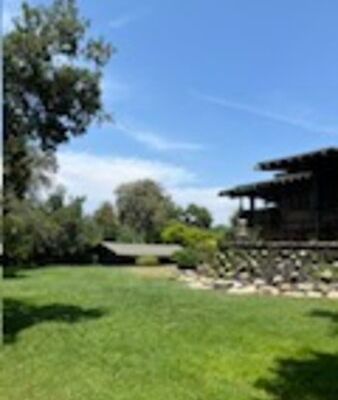
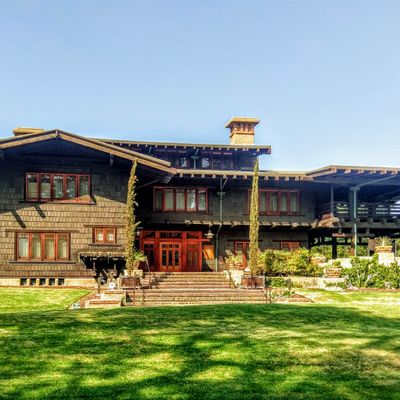
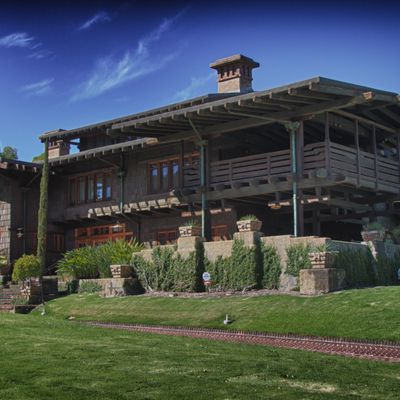
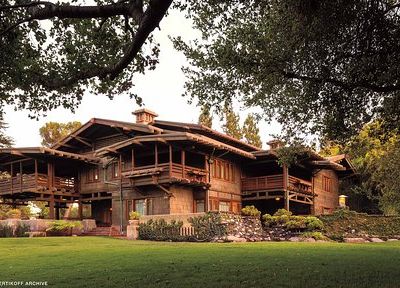
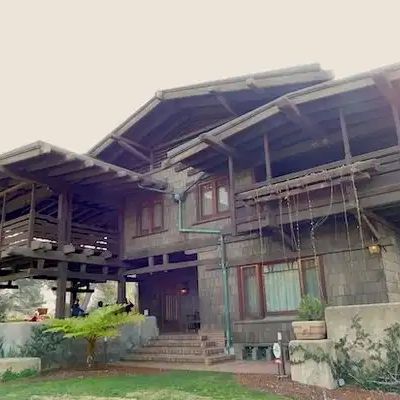
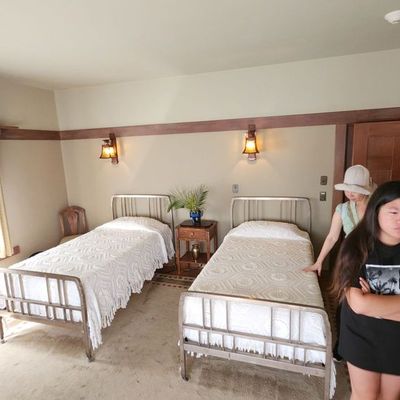
An outstanding example of American Arts and Crafts style architecture, the house and furnishings were designed by architects Charles and Henry Greene in 1908.
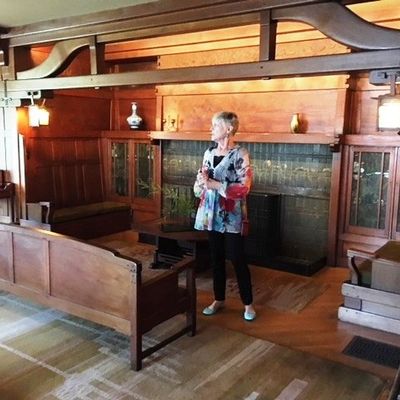
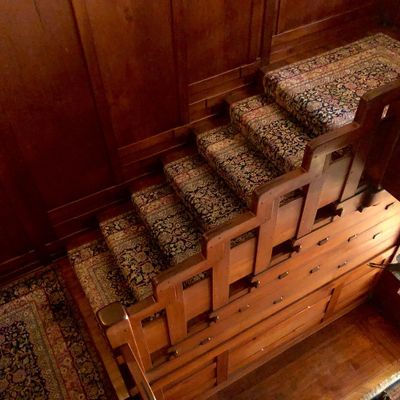
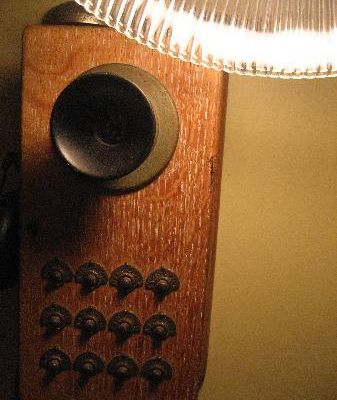
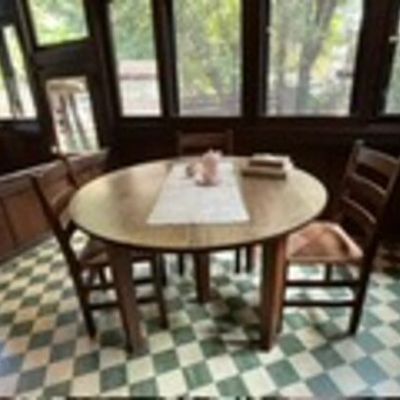
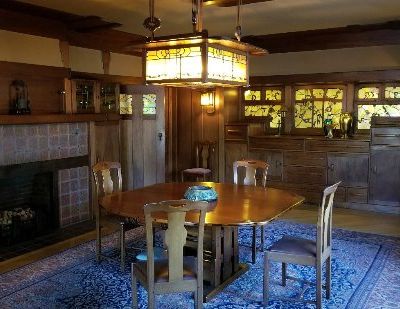
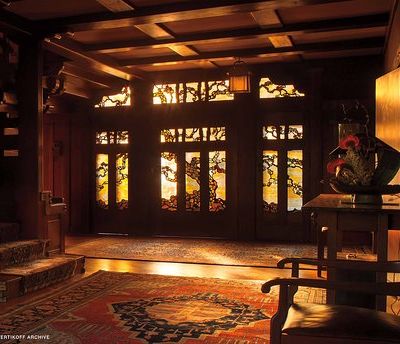
A 1908 arts and crafts treasure, this handcrafted mansion boasts sumptuous woodwork, art-glass windows, and custom furniture, making it an enormous work of art.
Events at this venue
View all events
Oct 13·5:30 PM
The Gamble House Book Club: Hidden behind the Picassos and Vermeers, the Temple of Dendur and the American Wing, exists another world: the hallways and offices, conservation studios, storerooms, and cafeteria that are home to the museum’s devoted and peculiar staff of 2,200 people—along with a few ghosts.

Oct 24
Enjoy communing with friendly, gentle goats while engaging in a fun, light-hearted yoga session taught by certified instructor Tina Lenert on the rear lawn of The Gamble House.
Nov 10·5:30 PM
The Gamble House Book Club: Françoise Vergès strips away the veneer of the universal Western museum to reveal its origins as the foundation of liberal ideology. By exploring the history of the Louvre, she argues for a ‘post-museum’ that prioritizes the labor and dignity of those who inhabit its halls.
Rate your Overlook Events experience
What's the vibe
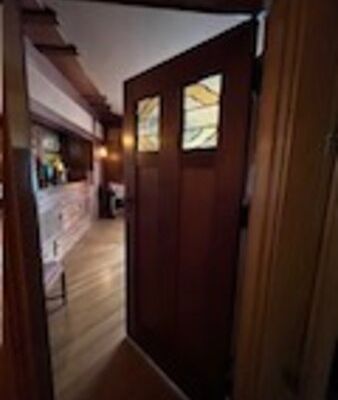
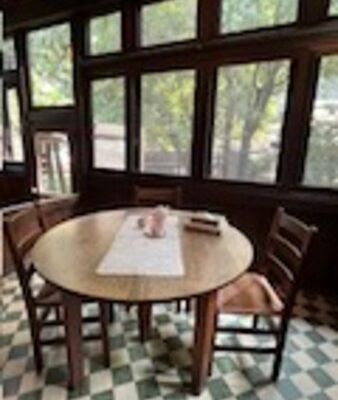
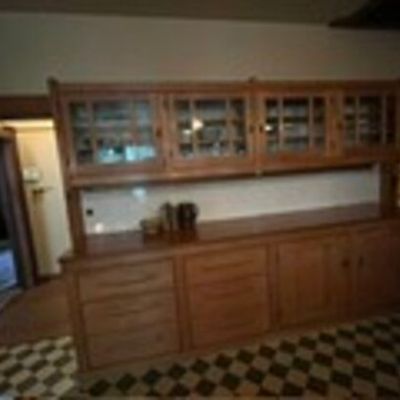
Stepping inside, the air feels steeped in history, a testament to the meticulous Arts and Crafts design. The rich aroma of 17 different wood species permeates the space, though some areas are "rather dark," requiring a flashlight to appreciate the fine woodworking.ambiance
What people are saying
4.7
⭐⭐⭐⭐⭐
606 reviews
Details
East Arroyo
4 Westmoreland Pl, Pasadena, CA 91103
Closed now
• Opens 10:00 AMAbout
This National Historic Landmark was designed by brothers Charles and Henry Greene in 1908 for the prominent Gamble family, showcasing American Arts and Crafts architecture at its finest. It famously served as Doc Brown's 1955 mansion in *Back to the Future*.story