Southern California didn't just participate in car culture — it invented it. The dry lakes, the drive-ins, the speed shops, the design schools, the dragstrips, the cruise nights: all of it originated in Los Angeles and Orange County, in this specific geography, because of the combination of climate, space, engineering and design talent, and postwar optimism. The region produced both the engineers who built the cars and the designers who made them desirable — and is full of roads worth driving. To visit these places is to trace that origin story from its grassroots beginnings through the institutions that codified it. LA and OC set the aesthetic, the attitude, and the appetite for car culture everywhere else.
Pomona Fairplex
Tourist attractionsPomona, CA
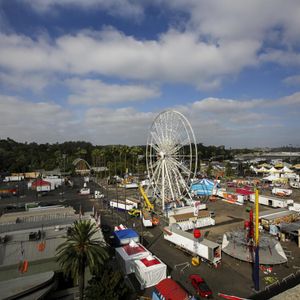
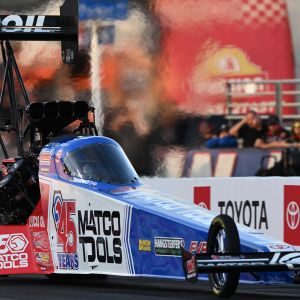
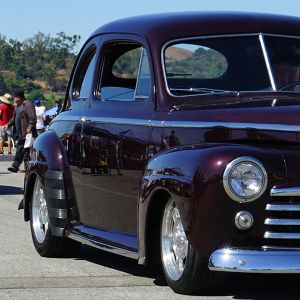

In 1952, the Choppers of Pomona — aided by Sergeant Bud Coons and Police Chief Ralph Parker — convinced LA County to let them pave a gravel parking lot so local kids would have a safe place to race. The result hosted the NHRA's first sanctioned event in April 1953 and the Winternationals continuously since 1961. The oldest track on the NHRA circuit, and the closest thing drag racing has to hallowed ground.
NHRA Motorsports Museum
Motorsports History MuseumPomona, CA
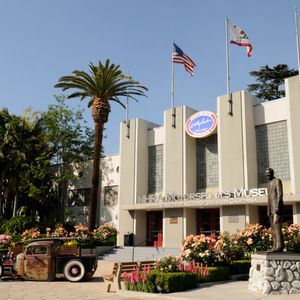
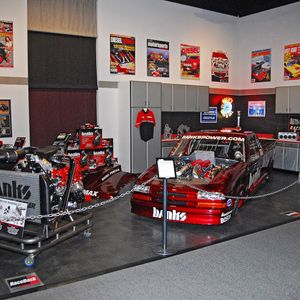
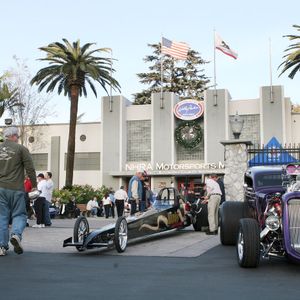
Founded in 1998 and housed in the Fairplex's 1924 Art Deco Home Arts Building, the museum was the life's work of NHRA founder Wally Parks — who believed the story of American hot rodding deserved a permanent home. Over 80 vehicles span dragsters, land speed cars, customs, and hot rods. The dragstrip where it all began is steps away.
ArtCenter Hillside Campus
PlacePasadena, CA
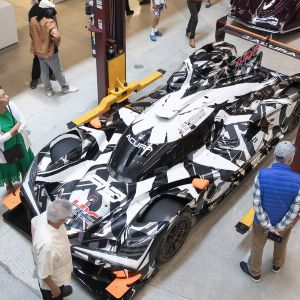
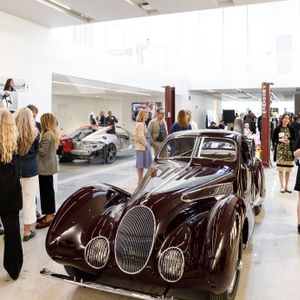
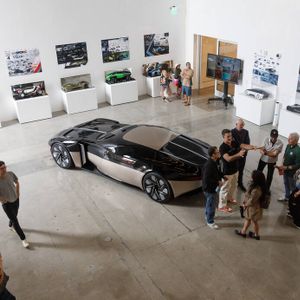
ArtCenter's Transportation Design Department was formalized in 1948, and legendary instructors like Strother MacMinn, Kem Weber, and Harry Bradley have mentored thousands of designers. Some believe that over half of the cars on the road today were designed under the leadership of Art Center's alumni, including icons like the Corvette Stingray, '57 Chevy, Camaro, Mustang, Miata, and Viper. Alumni include Henrik Fisker (BMW Z8, Aston Martin DB9), Karim Habib (former BMW chief designer), and Koichi Suga (Lexus chief designer). The campus is located within an hour of more than twenty advanced automotive design studios, making it the epicenter of West Coast automotive design thinking.
NORMS Restaurant
Diner ChainLos Angeles, CA
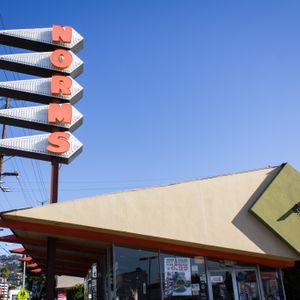
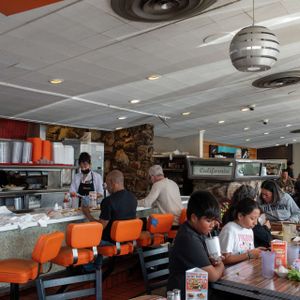
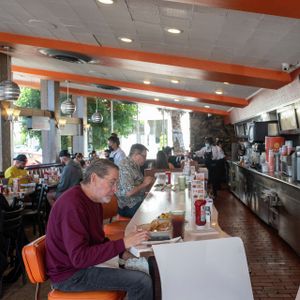
This 1957 building is designed by Armet & Davis with interior features by Helen Fong. The pennant-shaped sign and cantilevered roofline create a car showroom-like exterior, with zigzagging windows and bucket seats inside. Ed Ruscha immortalized it in his 1964 painting "Norm's, La Cienega, on Fire". This is architecture optimized for velocity—every angle designed to catch a passing driver's peripheral vision.
Donut Derelicts
Donut ShopHuntington Beach, CA
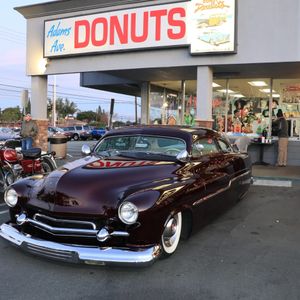
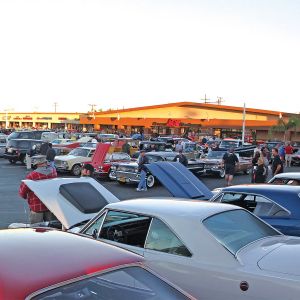
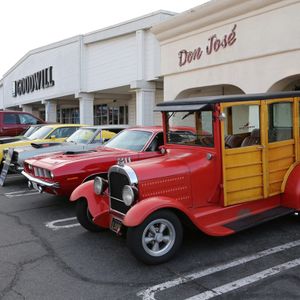
Started in February 1985 when a handful of friends began meeting with their cars in the parking lot of Adams Avenue Donuts at Adams and Magnolia. No rules, no entry fee, no prizes, no flyers — just several hundred cars arriving before dawn every Saturday morning. The template for every informal car meet that followed, and still the standard by which all of them are measured.
Autobooks Aerobooks
Books musicBurbank, CA
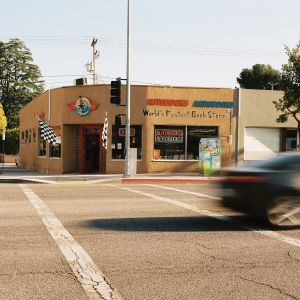
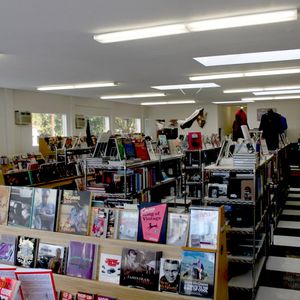
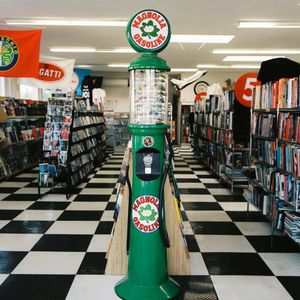
Founded in 1951 by formula 500 racer Harry Morrow, this is the oldest and largest automotive bookstore in the United States — 2,200 square feet of titles you cannot find anywhere else, including on Amazon. Jay Leno is said to come in roughly once a week. The Saturday morning parking lot is its own institution.
Porsche Experience Center
Porsche Driving CenterCarson, CA
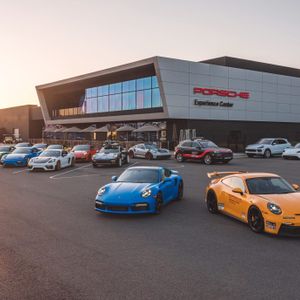
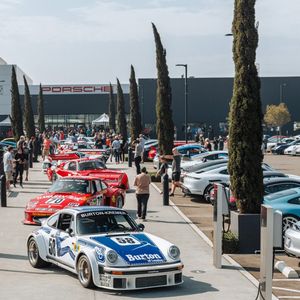
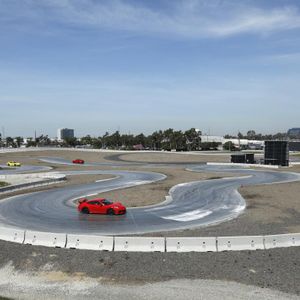
Fifty-three acres purpose-built around a driver development circuit that deliberately evokes SoCal canyon roads rather than a conventional racetrack — including a replica of the Nürburgring's Karussell banked corner. Home to Porsche Motorsport North America. The only place in LA where you can experience what the cars were actually engineered to do.
Galpin Motors
Auto dealerNorth Hills, CA
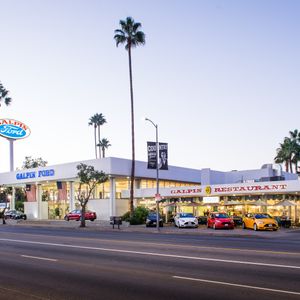
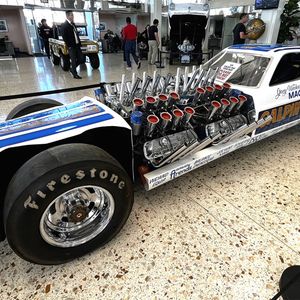
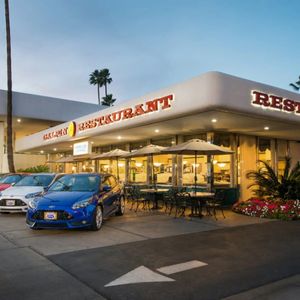
Founded in 1946 in San Fernando with a three-car showroom, Galpin has been the single highest-volume Ford dealer in the world for 29 consecutive years — a statistic that only makes sense in the context of Valley car culture. The Galpin Auto Sports shop was home to MTV's Pimp My Ride; Club Aston is an owners-only lounge requiring thumbprint entry, accessible only after purchasing an Aston Martin.
All Season Brewing
Gastropub BreweryLos Angeles, CA
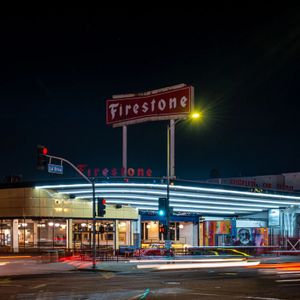
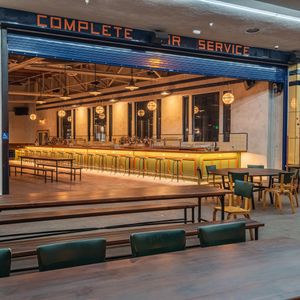
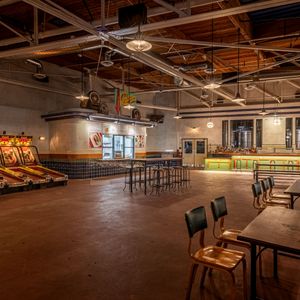
This 1937 Streamline Moderne building is a masterpiece of Machine Age design with its aerodynamic lines giving the illusion of speed and precision. The use of porcelain enameled steel panels in this custom-designed building is exceptionally rare, and it's now been beautifully restored as a brewery while maintaining its original pale yellow porcelain panels and dramatic cantilevered overhang. Appreciate how the building itself was engineered as advertising—a working billboard for automotive service that captured the era's obsession with motion and modernity.
Bob’s Big Boy
FoodBurbank, CA
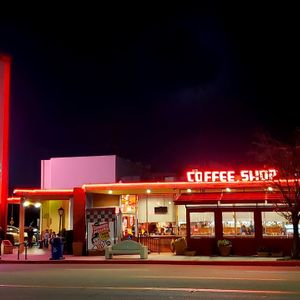
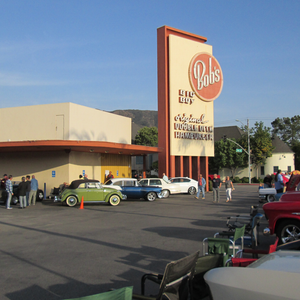
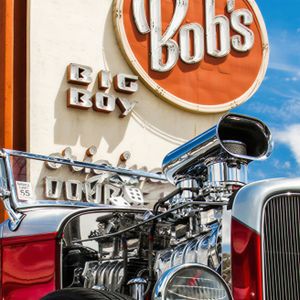
Designed by Wayne McAllister and completed in 1949, this is the oldest surviving Bob's Big Boy location and features the original 35-foot-tall neon sign. The Friday night car meet here is primarily for classics of the drive-in era, but the building itself is the architectural embodiment of car culture—its colossal neon sign and familiar Big Boy design recall a time when roadside restaurants screamed at drivers for their attention, with car hop service treating the parking lot as a second dining room.
Petersen Automotive Museum
Automotive museumLos Angeles, CA
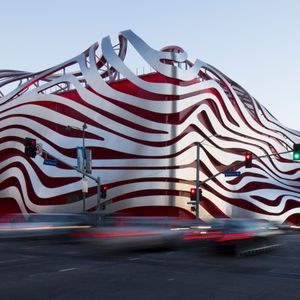
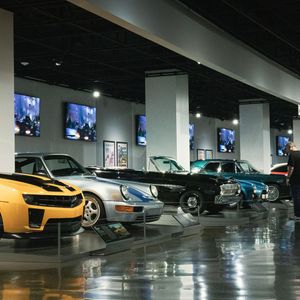
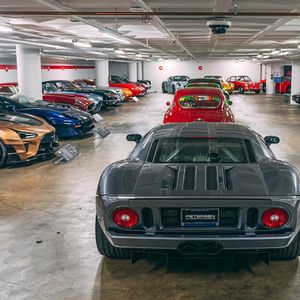
Beyond the main galleries, the 90-minute Vault tour accesses over 250 vehicles in basement storage — prototypes, concept cars, and design studies that never reached production. The 2015 Kohn Pedersen Fox facade wrapping the building in 100 tons of stainless steel ribbon is itself a significant piece of automotive-influenced architecture.
Valley Relics
Valley Memorabilia MuseumLos Angeles, CA
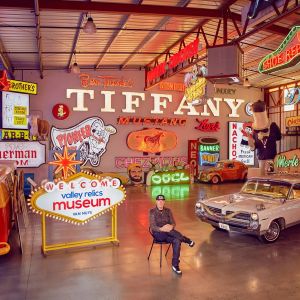
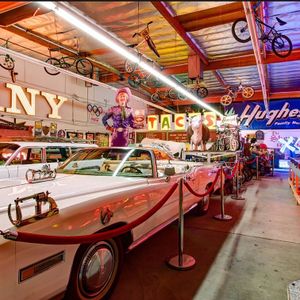
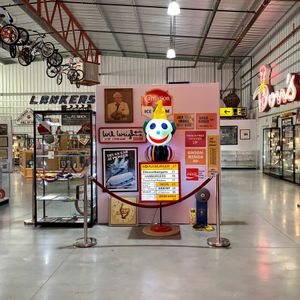
Tommy Gelinas's 20,000-item collection, housed in two airplane hangars at Van Nuys Airport, is the best archive of San Fernando Valley pop culture in existence — and the Valley is car culture. Nudie Cohn's rhinestone-covered Nudiemobiles, the Tail o' the Pup hot dog stand, and enough rescued neon to light a drag strip.
The Nethercutt Museum
Automotive MuseumLos Angeles, CA
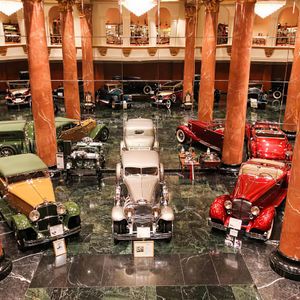
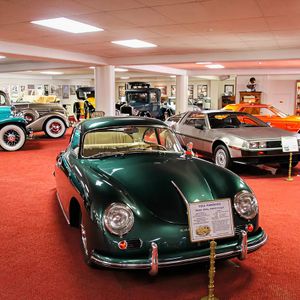
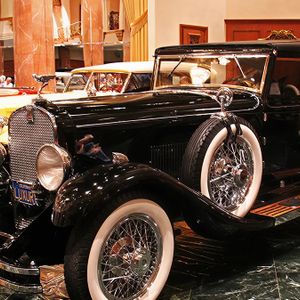
J.B. Nethercutt, co-founder of Merle Norman Cosmetics, began collecting in 1956 and built a private Art Deco palace in Sylmar to house the result. Over 250 American and European automobiles — Duesenbergs, Bugattis, Rolls-Royces — every one in running condition, regularly driven. Jay Leno called it "the hall of fame for cars." Free admission; almost nobody knows it exists.
Helms Bakery
Upscale BakeryLos Angeles, CA
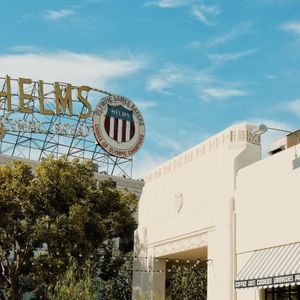
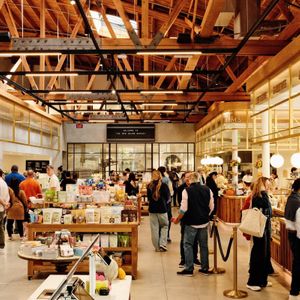
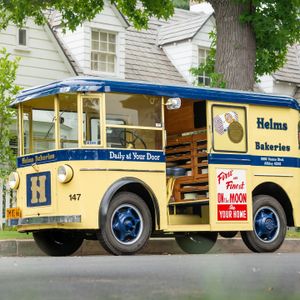
Helms Bakery operated from 1931 to 1969 with a fleet that eventually numbered 350 distinctive yellow delivery trucks. What makes this significant for car culture is that the distinctive Twin Coach delivery trucks featured William Fageol's patented integral chassis and body construction—groundbreaking automotive design applied to commercial vehicles. The building itself is Zig-Zag Moderne and sits on the border of LA and Culver City. The site represents LA's unique car-based commerce infrastructure, where home delivery by automobile defined daily life before freeways.